Jorn Verbeeck
Urban Transitions Lead
Cities manage the infrastructure resilience depends on, yet preparedness remains fragmented. Rising geopolitical tensions and defense agendas are converging with long-term climate stress to place critical infrastructure under compounding pressure: energy & materials, food systems, flooding, heat and drought, cybersecurity and disinformation. These risks interact. Cities sit at their intersection. How can the same infrastructure serve all these challenges? Civic-military collaboration is a missing piece. Sweden offers a test case: mature governance, strong climate-planning frameworks, a rebuilding total defense tradition. But the challenge is global. Approaches must adapt to informality, limited capacity, and community-led governance that often precedes state intervention. Hard infrastructure alone is insufficient. Civic fabric enables collective response under stress. Equity is a design requirement: those most exposed are those most are consistently least included. The investment case is strong but fragmented. This session explores treating integrated urban resilience as a single asset class - creditable across climate, continuity, defense and social returns.
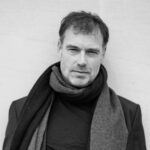
Urban Transitions Lead


Cities manage the infrastructure resilience depends on, yet preparedness remains fragmented. Rising geopolitical tensions and defense agendas are converging with long-term climate stress to place critical infrastructure under compounding pressure: energy & materials, food systems, flooding, heat and drought, cybersecurity and disinformation. These risks interact. Cities sit at their intersection. How can the same infrastructure serve all these challenges? Civic-military collaboration is a missing piece. Sweden offers a test case: mature governance, strong climate-planning frameworks, a rebuilding total defense tradition. But the challenge is global. Approaches must adapt to informality, limited capacity, and community-led governance that often precedes state intervention. Hard infrastructure alone is insufficient. Civic fabric enables collective response under stress. Equity is a design requirement: those most exposed are those most are consistently least included. The investment case is strong but fragmented. This session explores treating integrated urban resilience as a single asset class - creditable across climate, continuity, defense and social returns.
Partnerships for co-creation of knowledge and research; Empower cities to act, raise ambition, and scale implementation; Knowledge-sharing on a specific topic, method, and/or output; Awareness-raising on a specific topic, method, and/or output; Capacity building in climate science data and analyses
Jorn Verbeeck