Multilevel governance and partnerships are critical enablers of effective and equitable city climate action. The urgency of strengthening multilevel governance is amplified by the growing risk of climate overshoot, which threatens to push cities beyond safe adaptation limits. Urban areas, responsible for over 70% of global CO₂ emissions, are already facing intensifying heatwaves, flooding, and water stress (Lwasa et al., 2022). Building urban climate resilience will therefore depend on coherent governance structures and partnerships that enable cities to act decisively, scale innovation, and ensure inclusive participation.
However, city ambition continues to be constrained by weak vertical alignment and limited institutional coherence across national, regional, and local levels (Irvin et al., 2024). Achieving stronger alignment requires empowering local governments through clear mandates, devolved resources, and integrated planning systems that enable cities to act as active partners in national climate strategies. Initiatives such as the Coalition for High Ambition Multilevel Partnerships (CHAMP) exemplify this approach by creating co-designed coordination mechanisms that elevate local priorities and innovations into Nationally Determined Contributions (NDCs) and other global processes (CHAMP, 2025).
Establishing effective climate policies ultimately depends on achieving policy coherence, institutional arrangements, and coordination across scales (IPCC, 2023). Yet, in the Global Research and Action Agenda (GRAA), significant knowledge gaps remain regarding which institutional configurations most effectively facilitate genuine coordination and how national commitments can be translated into implementable and impactful local strategies.
Because systemic risks emerge at the intersections of sectors, cities require collaborative governance that integrates mitigation and adaptation, and community engagement across city systems such as energy, water, transport, and health systems (Dodman et al., 2022). Beyond alignment, climate action demands durable mechanisms that institutionalize collaboration and reduce fragmentation across systems. Partnerships must extend beyond government, as academia, civil society, business, and local communities co-produce the innovation and knowledge needed to close gaps in the Global Research and Action Agenda (Irvin et al., 2024) and achieve increased climate resilience.
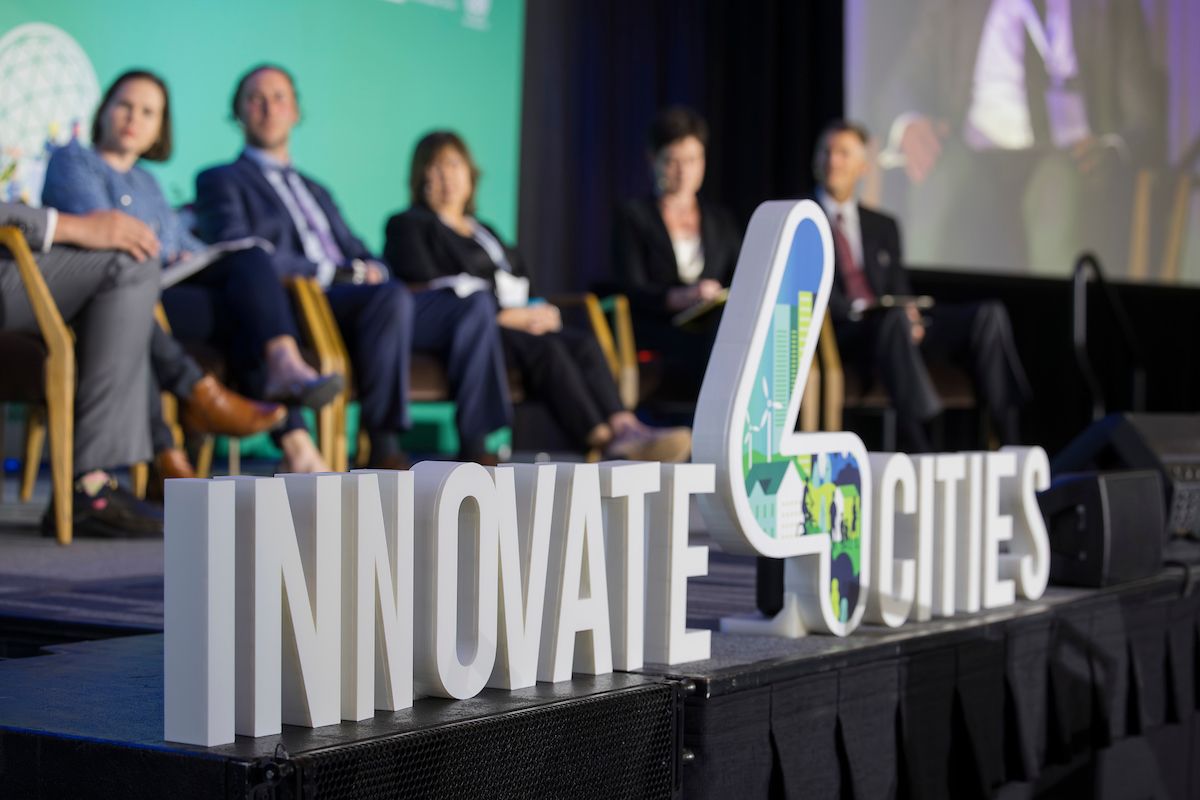
As a core theme of the 2026 Innovate4Cities Conference, multilevel governance and partnerships will anchor discussions on how strategic, cross-sectoral collaboration can operationalize global climate commitments, manage overshoot risks, and connect local leadership to global climate ambition accelerating the transition toward resilient, low-carbon urban futures.
Session proposals under this track are invited to consider:
- How strengthened coordination across local, regional, and national levels can accelerate climate ambition;
- How partnerships can enhance climate resilience, unlock innovation, while ensuring knowledge coproduction and information integrity between cities, academia, business, and civil society can unlock innovation, and;
- How multi-level governance can translate global climate agendas into locally relevant and actionable pathways.